
 +86 15853145085

 National Service Hotline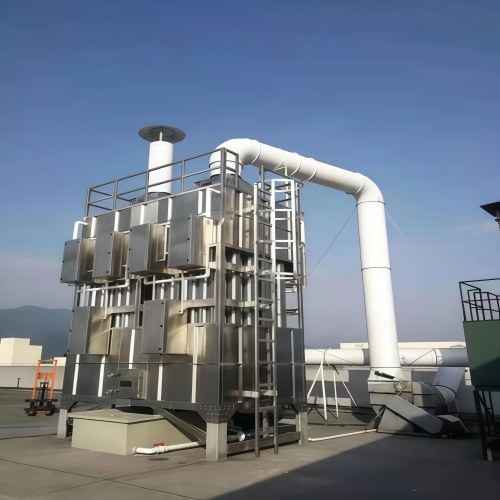
Boiler-specific flue gas electrostatic dust removal equipment is mainly divided into two major categories: Dry Electrostatic Precipitator (ESP) and Wet Electrostatic Precipitator (WESP). Equipped with diversified power supplies and structural designs, these devices adapt to the characteristics of boiler flue gas such as high temperature, high dust content and various pollutants. The specific types and applicable scenarios are as follows:
I. Dry Electrostatic Precipitator (Mainstream Basic Type, Suitable for Most Boiler Working Conditions)
1. Conventional Power Frequency Dry ESP
Core Characteristics: Adopt plate/tube electrode structure and powered by power frequency high-voltage power supply. It features mature technology and low cost, with a dust removal efficiency of over 99% to meet conventional emission requirements.
Applicable Scenarios: Small and medium-sized coal-fired boilers and biomass boilers under working conditions with flue gas temperature of 120-180℃, dust concentration ≤30g/m³ and no strong corrosive components.
Key Advantages: Stable operation and simple maintenance, suitable for projects with limited budget or conventional environmental protection emission requirements (≤30mg/m³).
2. High-frequency Power Dry ESP (Energy-saving and High-efficiency Type)
Core Characteristics: Equipped with upgraded high-frequency power supply (20-80kHz) featuring stable voltage output and low ripple. It saves 30%-50% energy compared with power frequency power supply, and the dust removal efficiency is increased to more than 99.5%.
Applicable Scenarios: Large and medium-sized coal-fired boilers and cogeneration boilers that require both energy conservation and compliant emission (≤10mg/m³), especially suitable for old equipment renovation.
Key Advantages: Adaptable to high specific resistance dust, strong resistance to dust concentration fluctuation, with a volume only 1/3 of power frequency equipment and low requirement for installation space.
3. Moving Electrode Electrostatic Precipitator (Blockage-resistant and High-efficiency Type)
Core Characteristics: The anode plate adopts a movable plate structure with rotating brush ash cleaning, avoiding secondary dust emission caused by traditional rapping. The dust removal efficiency can reach over 99.8%.
Applicable Scenarios: Circulating fluidized bed boilers and waste incineration boilers with high dust concentration (>30g/m³), high viscosity or easy condensation flue gas.
Key Advantages: Solve the problem of electrode ash accumulation and blockage under high-dust and high-humidity working conditions, eliminating the need for frequent shutdown and ash cleaning to meet the demand for continuous and stable operation.
II. Wet Electrostatic Precipitator (Deep Purification Type, Suitable for Ultra-low Emission)
1. Conventional Wet ESP (WESP)
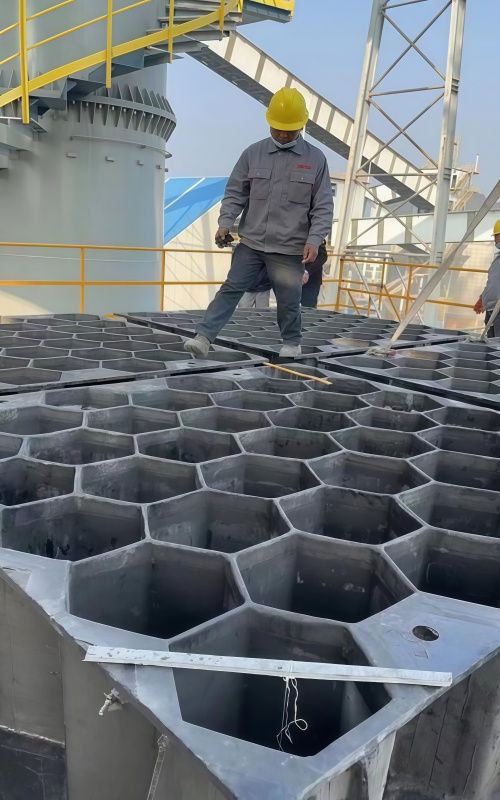
Core Characteristics: Adopt honeycomb/plate anode, and water film ash cleaning replaces rapping cleaning without secondary dust emission. It can simultaneously remove PM2.5, acid mist and heavy metals with an efficiency of ≥99.9%.
Applicable Scenarios: Ultra-low emission renovation of large coal-fired boilers (≤5mg/m³) and acid mist treatment of gas-fired boilers, especially suitable for desulfurized wet flue gas (temperature 40-80℃, humidity>90%).
Key Advantages: High purification accuracy, adaptable to high-humidity and corrosive flue gas, and thoroughly eliminate white smoke plume.
2. Tube Bundle Wet ESP (Compact and High-efficiency Type)
Core Characteristics: Adopt tube bundle anode structure with uniform electric field distribution. Its volume is 40% smaller than conventional WESP, suitable for renovation projects with limited site space.
Applicable Scenarios: Ultra-low emission renovation of small and medium-sized boilers and industrial kiln supporting with flue gas treatment capacity ≤500,000 m³/h.
Key Advantages: Small floor area and short installation cycle, integrating dust removal and defogging without additional demister configuration.
III. Pre-treatment and Auxiliary Supporting Equipment (Ensure Dust Removal Effect)
1. Flue Gas Conditioning Device
Inject ammonia water, SO₃ and other conditioning agents into flue gas to reduce dust specific resistance and improve electrostatic adsorption efficiency. It is applicable to boilers with high specific resistance dust (such as coal-fired power station boilers).
2. Air Distribution Plate
Installed at the inlet of the dust remover to uniformly distribute flue gas and prevent efficiency reduction caused by excessive local flow velocity, which is a necessary supporting component for all types of boilers.
3. Thermal Insulation and Anti-corrosion Device
Equipped with shell insulation layer for high-temperature boiler flue gas (>180℃); adopt FRP, titanium alloy and other anti-corrosion materials for corrosive flue gas (such as waste incineration boilers).