
 +86 15853145085
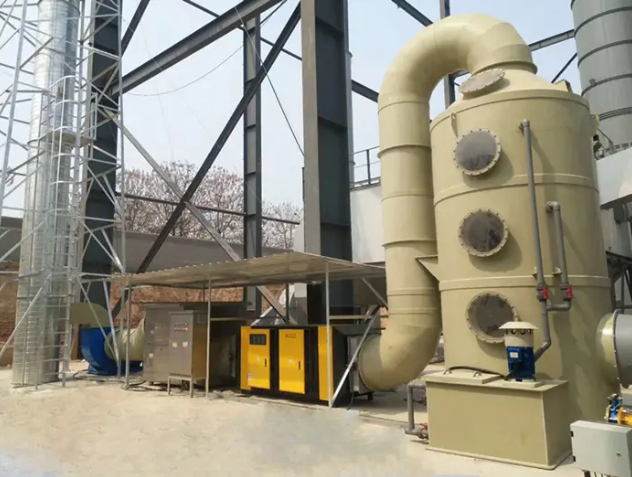
Organic waste gas treatment equipment is essential environmental protection equipment in industrial production. Sudden failures or abnormal working conditions of waste gas treatment facilities may lead to excessive exhaust emissions and cause atmospheric pollution. Therefore, mastering key emergency handling procedures can minimize risks and guarantee personnel safety as well as stable operation of waste gas treatment systems.
I. Core Principles for Emergency Response of Organic Waste Gas Treatment Equipment
The core requirements for emergency disposal are rapidity, accuracy and orderliness. Any delay or improper operation may aggravate pollution spread and even trigger safety accidents. Once abnormalities are detected, operation and maintenance staff shall immediately assess risk levels and decide whether to activate emergency plans.
Emergency measures vary greatly according to different waste gas components such as VOCs, acidic gas and dust. Blind operation will only make the situation worse.
II. Key Emergency Handling Procedures
1. Quickly Cut Off Pollution Sources
When abnormalities occur in waste gas treatment facilities, the top priority is to block waste gas inflow. Close exhaust valves of relevant production units or switch to standby treatment systems to prevent direct discharge of untreated waste gas.
In case of equipment leakage such as damaged adsorption towers and cracked pipelines, shut down the system immediately and open emergency bypass pipelines to stop continuous gas diffusion.
2. Activate Standby or Temporary Treatment Measures
Many enterprises adopt redundant design equipped with standby activated carbon adsorption units and emergency scrubbers. When the main treatment system breaks down, switch to standby facilities swiftly and adjust operating parameters to adapt to temporary working conditions. If no standby equipment is available, deploy mobile waste gas treatment devices to ensure emissions meet standards.
3. Real-time Monitoring of Exhaust Emission Data
The composition and concentration of waste gas tend to fluctuate sharply under emergency conditions. Track key indicators in real time via portable gas detectors and online monitoring systems. Adjust treatment processes or add emergency chemicals timely against abnormal data to avoid secondary pollution.
4. Personnel Protection and Evacuation
Leakage of high-concentration waste gas poses threats to human health. Operators must wear professional protective equipment including positive pressure respirators and chemical protective suits, and ensure good ventilation in working areas. If the leakage scope expands, evacuate irrelevant personnel in accordance with emergency plans and set up warning zones.
5. Troubleshooting and System Restoration
After emergency control, thoroughly identify root causes of faults, including fan malfunction, packing blockage and control system failure. Adopt non-destructive testing technology to locate defects so as to avoid blind disassembly. Conduct no-load commissioning to stabilize all operating parameters before formal system restart.
III. Follow-up Management and Optimization
After emergency disposal, enterprises shall review the whole process, summarize response efficiency and technical deficiencies. Improve emergency plans, stock up sufficient vulnerable spare parts, optimize personnel training systems and organize regular emergency drills to enhance on-site disposal capacity.
Effective emergency handling for organic waste gas treatment relies not only on technical measures, but also on scientific management systems and rapid decision-making capabilities. Combining standardized operation with flexible response can greatly reduce environmental risks and support sustainable enterprise development.