
 +86 15853145085
Process water quality has a significant influence on the operating efficiency of desulfurization and denitrification environmental protection equipment. The main impacts are reflected in the following aspects:
Firstly, sulfate concentration is a key factor affecting flue gas desulfurization efficiency. High sulfate content in process water will reduce desulfurization efficiency and increase the required calcium-sulfur ratio. Sulfate ions compete with desulfurizers such as limestone for chemical reactions, lowering the utilization rate of desulfurizing agents. Therefore, the sulfate concentration in circulating slurry of the absorption tower is generally limited to a certain threshold (such as less than 2000 mg/L).
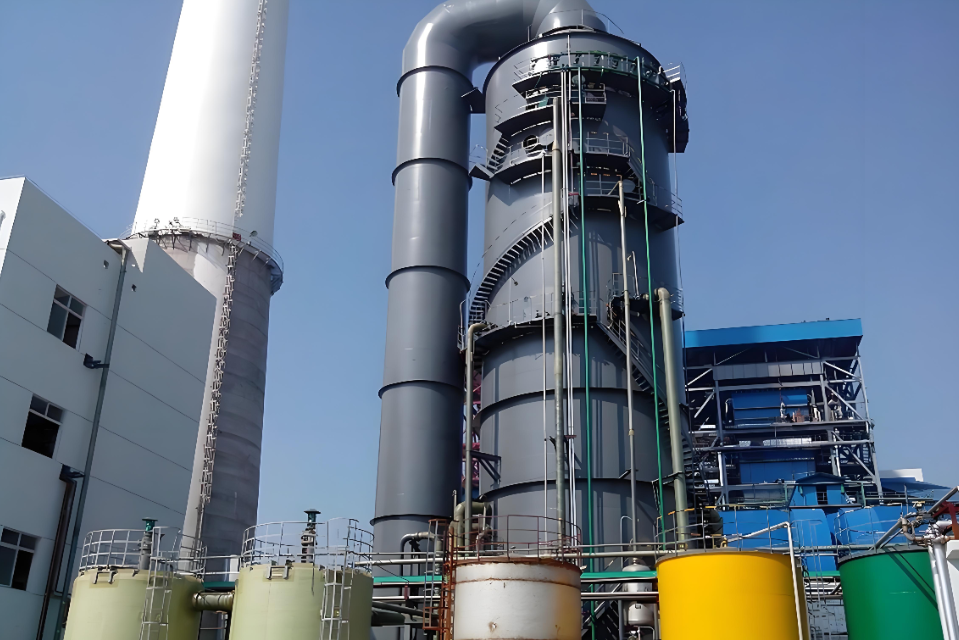
Secondly, chloride ions also impose adverse effects on desulfurization and denitrification equipment. High chloride concentration increases soluble mercury content, which negatively affects desulfurization efficiency, gypsum quality and equipment service life. In addition, chloride ions cause chemical corrosion and shorten the service life of metal components.
Moreover, other impurities in water, including suspended solids, heavy metals, COD and fluoride ions, may bring potential risks to the system. Improper disposal of these contaminants will cause sludge deposition in wastewater tanks, aeration pipe blockage, excessive sludge level in clarifiers and overload operation of filter presses. These malfunctions reduce wastewater treatment capacity, forming a vicious cycle and interfering with the stable operation of desulfurization devices.
Strict water quality control is essential to guarantee long-term equipment efficiency. Effective measures include reducing impurities through water pretreatment, strengthening real-time water quality monitoring during operation, and conducting standardized wastewater treatment. All discharged water must meet environmental standards to avoid secondary pollution to equipment and the surrounding environment.