
 +86 15853145085
The temperature adaptability range is a key performance indicator of desulfurization and denitrification equipment, which determines the operational efficiency and stability under diverse working conditions. The detailed analysis is presented as follows:
1. Temperature Adaptability of Desulfurization Equipment
Desulfurization equipment, especially wet desulfurization devices, has strict requirements on flue gas temperature. Excessively high flue gas temperature will accelerate the evaporation of absorption liquid, increase energy consumption and damage the anti-corrosion layer inside the desulfurization tower. In contrast, excessively low temperature may cause slurry freezing and pipeline blockage.
Generally, the applicable flue gas temperature of wet desulfurization equipment ranges from 80℃ to 160℃. The specific temperature adaptability shall be determined according to equipment materials, process design and practical operation experience.
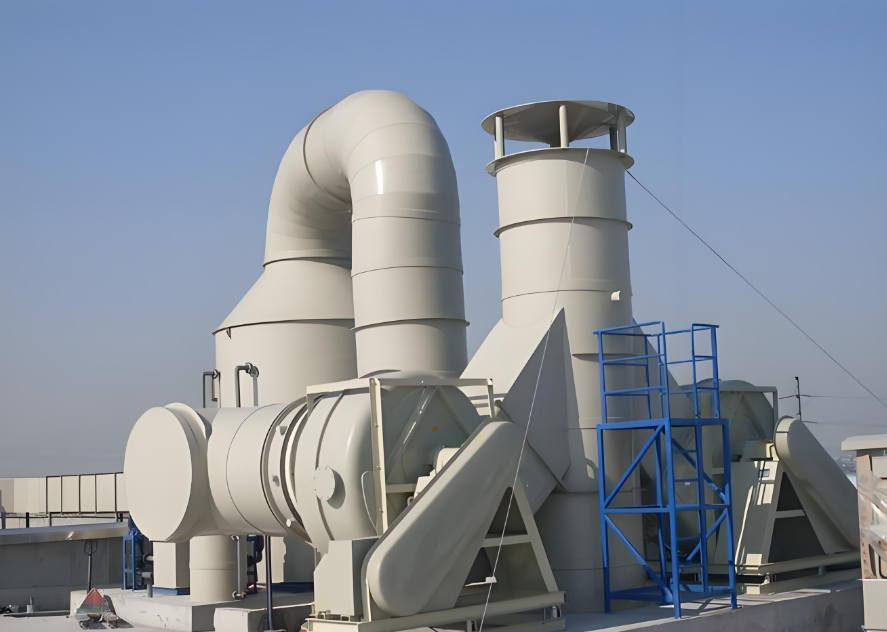
2. Temperature Adaptability of Denitrification Equipment
For denitrification equipment, especially the selective catalytic reduction (SCR) system, temperature is the core factor affecting catalyst activity. The catalyst can achieve optimal denitrification performance within a specific temperature interval.
The applicable reaction temperature of conventional SCR systems is 300℃~450℃. Within this range, the catalyst maintains high activity and effectively converts NOx in flue gas into harmless nitrogen and water. Since different catalysts have different optimal reaction temperatures, the specific temperature adaptability should be confirmed based on the selected catalyst type.
3. Improvement Measures for Temperature Adaptability
Optimize equipment design: Improve the equipment structure and adopt high-temperature-resistant materials to enhance the adaptability to ultra-high and ultra-low temperature working conditions.
Adopt high-performance catalysts: Select catalysts with a wide applicable temperature range to improve denitrification efficiency under variable temperature conditions.
Strengthen temperature monitoring and control: Install temperature sensors at key positions of the equipment to monitor flue gas temperature in real time. Adjust operating parameters dynamically to ensure long-term stable operation within the optimal temperature range.