Popular keywords:
Location: 首页>>PRODUCT>>Wet Electrostatic Dust Collector

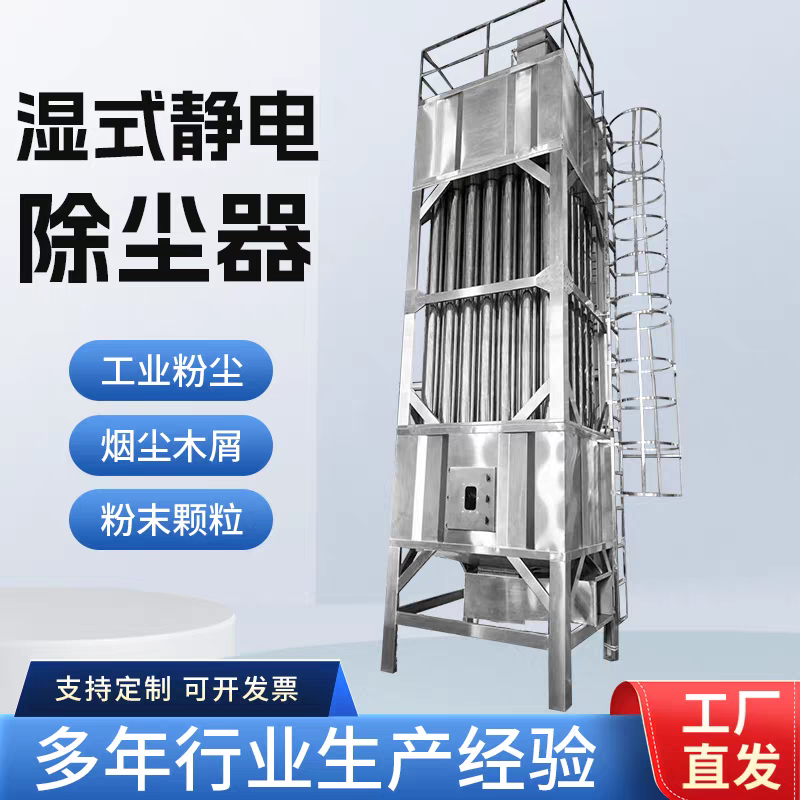
Wet electrostatic dust removal

1. Basic Structure & PrincipleWet Electrostatic Precipitator (WESP) is a high-efficiency flue gas purification equipment, which integrates electrostatic adsorption and water film ash cleaning. Its working process consists of four core phases: gas ionization, dust charging, charged dust migration...


Online consultation National Hotline
+86 15853145085
Product Introduction

Focus on the production of environmental protection equipment

1. Basic Structure & Principle

Wet Electrostatic Precipitator (WESP) is a high-efficiency flue gas purification equipment, which integrates electrostatic adsorption and water film ash cleaning. Its working process consists of four core phases: gas ionization, dust charging, charged dust migration and water film ash removal.

Main Structural Components

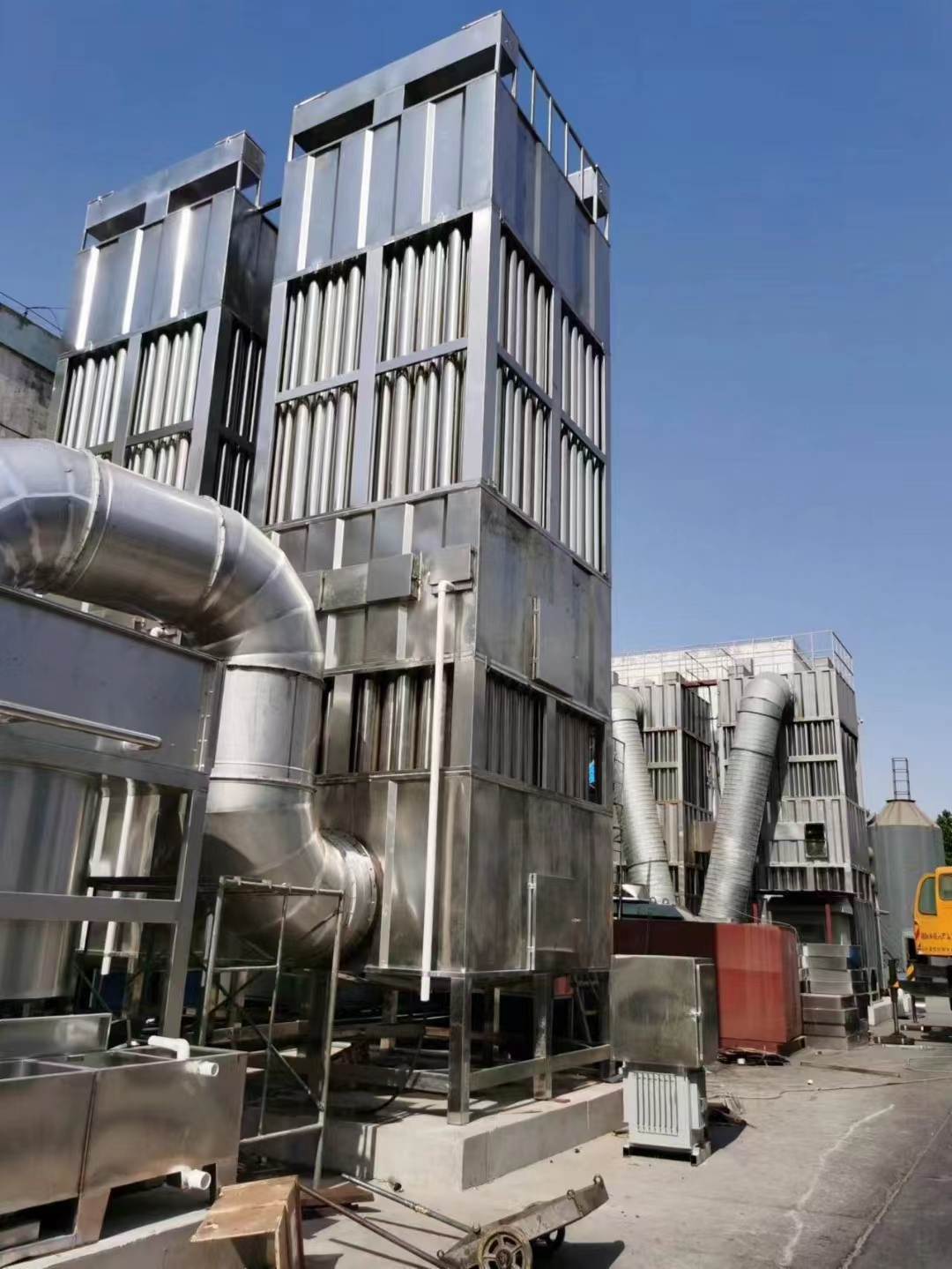
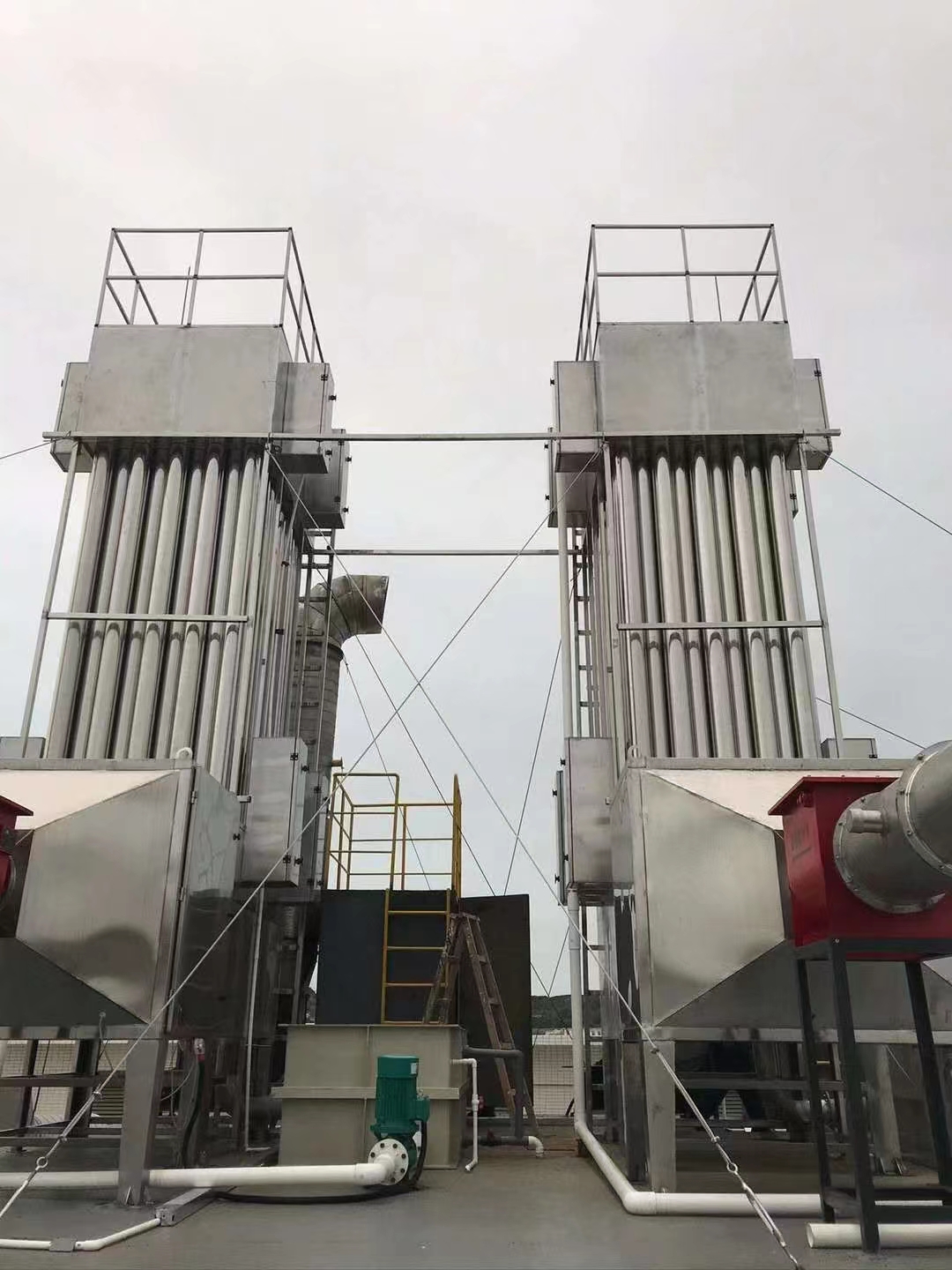
Cathode system (discharge electrode): High-voltage electrodes such as thorn lines and fishbone lines installed inside the equipment.Anode system (collecting electrode): Grounded plate-type or honeycomb tubular electrodes.Spraying system: Installed above anodes to form continuous flowing water films on electrode surfaces.High voltage power supply: Provides 30-80kV DC high voltage.Shell and ash hopper: Collect washed dust and wastewater.

2. Detailed Working Process

Phase 1: Gas Ionization and Dust Charging

  1. Dust-laden wet flue gas enters the equipment and is evenly distributed by airflow distributors.

  2. The high voltage power supply outputs tens of thousands of volts DC power to negative cathodes while anodes are grounded. A strong electric field is formed around cathodes to ionize gas molecules and generate massive electrons and positive ions. High-speed moving electrons collide with dust particles to make them negatively charged.

  3. The spraying system injects water to form fine water mist inside the electric field. The mist gets charged and further atomized to improve pollutant capture capacity.

Phase 2: Migration and Capture of Charged Dust

  1. Negatively charged dust particles move towards grounded anodes under Coulomb force. Charged water mist aggregates with dust to accelerate migration speed.

  2. Dust particles discharge electricity and adhere to anode surfaces. It is highly effective in capturing fine particles such as PM2.5 and acid mist aerosol with removal efficiency over 99%.

Phase 3: Water Film Ash Cleaning

  1. The spraying system continuously supplies water to form uniform flowing water films on anode surfaces.

  2. Attached dust is flushed down by water films and flows into the ash hopper, completely avoiding secondary dust emission caused by rapping cleaning used in dry electrostatic precipitators.

  3. Wastewater from the ash hopper can be neutralized and filtered for recycling.

3. Working Principle Diagram


         ┌──────────────┐          │ Dust-laden Flue Gas │◀── Inlet          └──────────────┘                 │          ┌──────────────┐          │ Airflow Distributor │          └──────────────┘                 │      ┌─────────────────────────┐      │     Cathode System      │◀── High Voltage Power Supply (30-80kV)      │ (Discharge Electrode, Negative Pole) │      └─────────────────────────┘                 │      ┌─────────────────────────┐      │       Anode System      │ (Collecting Electrode, Positive Pole, Grounded)      │ (Plate / Honeycomb Tube Type) │      └─────────────────────────┘                 │          ┌──────────────┐◀── Spraying System          │  Water Film Zone  │          └──────────────┘                 │          ┌──────────────┐          │    Ash Hopper    │──▶ Wastewater Discharge          └──────────────┘                 │          └──────────────┘◀── Purified Flue Gas

4. Core Advantages

High dust removal efficiency with over 99% removal rate for PM2.5, submicron particles and acid mist.No secondary dust pollution thanks to water film cleaning mode.Strong adaptability for high-humidity, high-temperature and corrosive flue gas, free from the influence of dust specific resistance.Multi-pollutant synergistic removal capacity for sulfur trioxide, acid mist and heavy metals, effectively eliminating gypsum rain and white smoke plume.

5. Application Scenarios

Power industry: Advanced flue gas purification after desulfurization in coal-fired and biomass power plants to meet ultra-low emission standards.Metallurgical industry: Flue gas treatment for iron and steel smelting to capture heavy metals and acid mist.Chemical industry: Acid mist elimination in sulfuric acid and nitric acid production to reduce equipment corrosion.Waste incineration industry: Removal of dioxin precursors and heavy metals to reduce environmental hazards.
Combining electrostatic separation with water film cleaning technology, wet electrostatic precipitators realize efficient industrial flue gas purification and have become essential core equipment for modern environmental governance.


 湿电除尘