
 +86 15853145085

 全国服务热线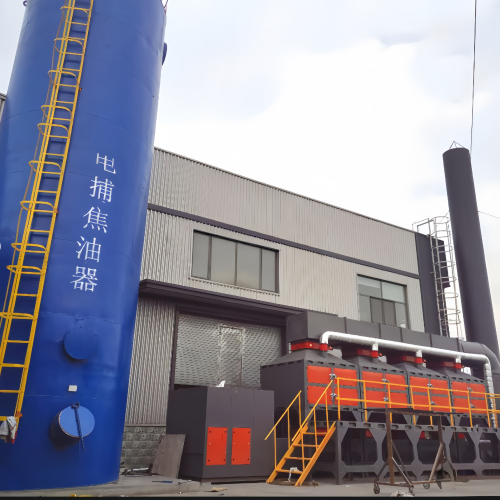
General introduction: The UV paint recovery electric tar precipitator is equipment used to separate and recover paint mist from UV paint waste gas, which is widely used in the coating industry.
Working Principle
The electric tar precipitator separates tar droplets and gas by high-voltage DC electric field. High-voltage direct current is applied between metal wires and metal tube walls or plates to form a corona zone. When waste gas containing UV paint mist passes through the electric field, paint mist droplets absorb negative ions and electrons. Under Coulomb force, charged droplets move to the precipitation electrode, release charges and adhere to the electrode to realize gas purification and paint mist recovery. When the adhesion gravity exceeds friction force, the paint mist flows down automatically and is discharged from the bottom.
Structural Types
Concentric circle type: Composed of steel plates with different diameters nested on the same vertical axis. Advantages include large flow area, low gas velocity and low steel consumption. Disadvantages are high manufacturing precision, strict commissioning and easy electric field vacancy.
Tube type: Each electric field is composed of independent steel tubes and corona wires with equal pole spacing. It is easy to manufacture and install with large steel consumption.
Honeycomb type: Regular hexagonal channels share edges to form compact structure. It has no electric field vacancy, high space utilization rate, light weight and excellent capture performance, which is the most widely used type at present.
Equipment Characteristics
High capture efficiency: The removal efficiency can reach more than 99%. Recycled UV paint reduces material waste and production cost.
Corrosion resistance: The equipment is usually made of all stainless steel to resist corrosive components in UV paint waste gas and extend service life.
Environmental improvement: It reduces air pollution caused by paint mist and lowers the load of subsequent waste gas treatment equipment.
Application Scenarios
It is mainly applied in furniture manufacturing, automobile coating and electronic shell spraying using UV paint. The equipment recycles paint mist to realize resource recovery and compliant emission.
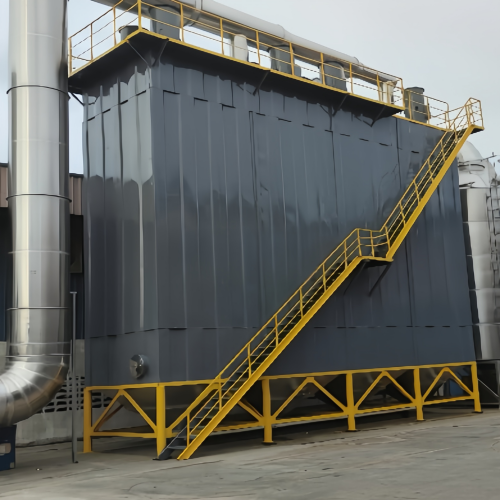
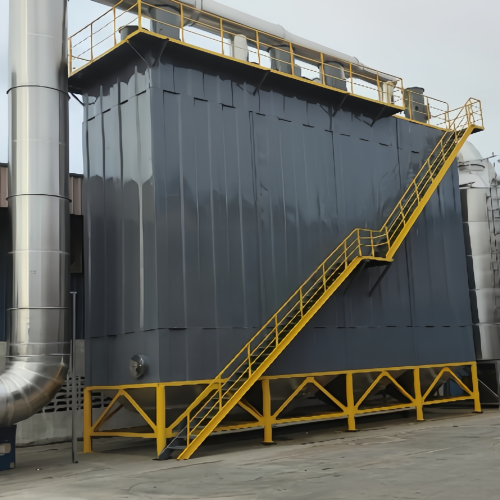
Daily maintenance is essential for stable operation and service life. The maintenance focuses on electric field cleaning, electrical inspection and component patrol. The detailed contents are as follows:
Electric Field and Internal Component Maintenance
Regular cleaning of electrodes: Shut down the equipment regularly to clean paint dirt on precipitation electrodes and corona wires by high-pressure water flushing or special paint remover. Drain and dry internal water to prevent short circuit.
Corona wire inspection: Check for looseness, fracture and offset of corona wires. Replace broken wires and adjust offset positions to ensure uniform pole spacing.
Bottom drainage system maintenance: Check the smoothness of drainage ports and pipelines every day. Disassemble and clean drainage valves and filters regularly to prevent blockage.
Electrical System Maintenance
High-voltage power inspection: Monitor voltage and current stability daily. Fasten wiring terminals regularly. Keep insulators clean and crack-free to avoid electric leakage.
Grounding system inspection: Check grounding firmness every week. The grounding resistance shall not exceed 4Ω to eliminate potential safety hazards.
Equipment Body and Auxiliary System Maintenance
Shell and sealing inspection: Check shell deformation, corrosion and flange air tightness every day. Repair corrosion points and replace aging gaskets.
Fan and pipeline maintenance: Inspect fan operating conditions and add lubricating oil regularly. Clean accumulated paint in pipelines to ensure smooth airflow.
Operation Record and Troubleshooting
Operation log: Record inlet gas concentration, voltage, current and drainage volume every day to judge operating status.
Fault handling: Stop the equipment immediately for abnormal discharge, peculiar smell and instrument abnormality to prevent fault expansion.
Maintenance note: Cut off high-voltage power and complete grounding protection before all maintenance operations to prevent electric shock accidents.