
 +86 15853145085

 全国服务热线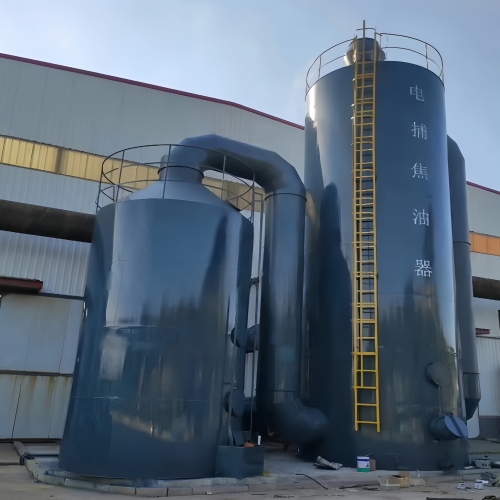
General introduction: The treatment of asphalt flue gas by electric tar precipitator is a mature and efficient process. It adopts a high-voltage electrostatic field to capture tar droplets, carbon black particles and other pollutants for flue gas purification.
Detailed introduction is as follows:
Core Working Principle
Ionization Stage
The electric tar precipitator is equipped with cathode wires and anode plates. High voltage generates an electrostatic field to ionize surrounding air into positive and negative ions. Tar droplets and particles in asphalt flue gas are attached with electric charges after entering the electric field.
Capture Stage
Charged pollutants move toward electrodes with opposite polarities under electric field force. Negatively charged particles migrate and adhere to the anode plates. The condensed tar flows down along the plates by gravity and gathers into the tar collection tank at the bottom.
Purified Discharge
Clean flue gas without tar and particles is discharged from the outlet of the electric tar precipitator.
Advantages for Asphalt Flue Gas Treatment
High purification efficiency: The capture efficiency for fine tar droplets (0.1~10μm) exceeds 95%, effectively reducing harmful substance concentration.
Low operating cost: Simple structure with low power consumption and maintenance cost. The recycled tar brings economic benefits.
Low pressure loss: Low flue gas resistance without high-power induced draft fan, saving energy consumption.
Stable operation: Wide adaptability to temperature and humidity fluctuation. It operates stably under medium and low temperature (80~150℃).
Application Precautions
Working Condition Pretreatment
The flue gas temperature shall not exceed 180℃ to avoid tar vaporization. Large particles shall be removed in advance to prevent electrode coverage and electric field degradation.
Explosion Prevention and Anti-corrosion
Asphalt flue gas is flammable and explosive. The equipment adopts explosion-proof design with nitrogen protection and explosion relief devices. Anti-corrosion coating is applied to resist corrosive components.
Regular Maintenance
Anode plates and cathode wires shall be cleaned regularly to prevent tar scaling. Insulating porcelain bottles require periodic inspection to avoid electric leakage.
Auxiliary Process
Combined processes such as activated carbon adsorption and catalytic combustion can be equipped to further treat organic waste gas and meet strict emission standards.
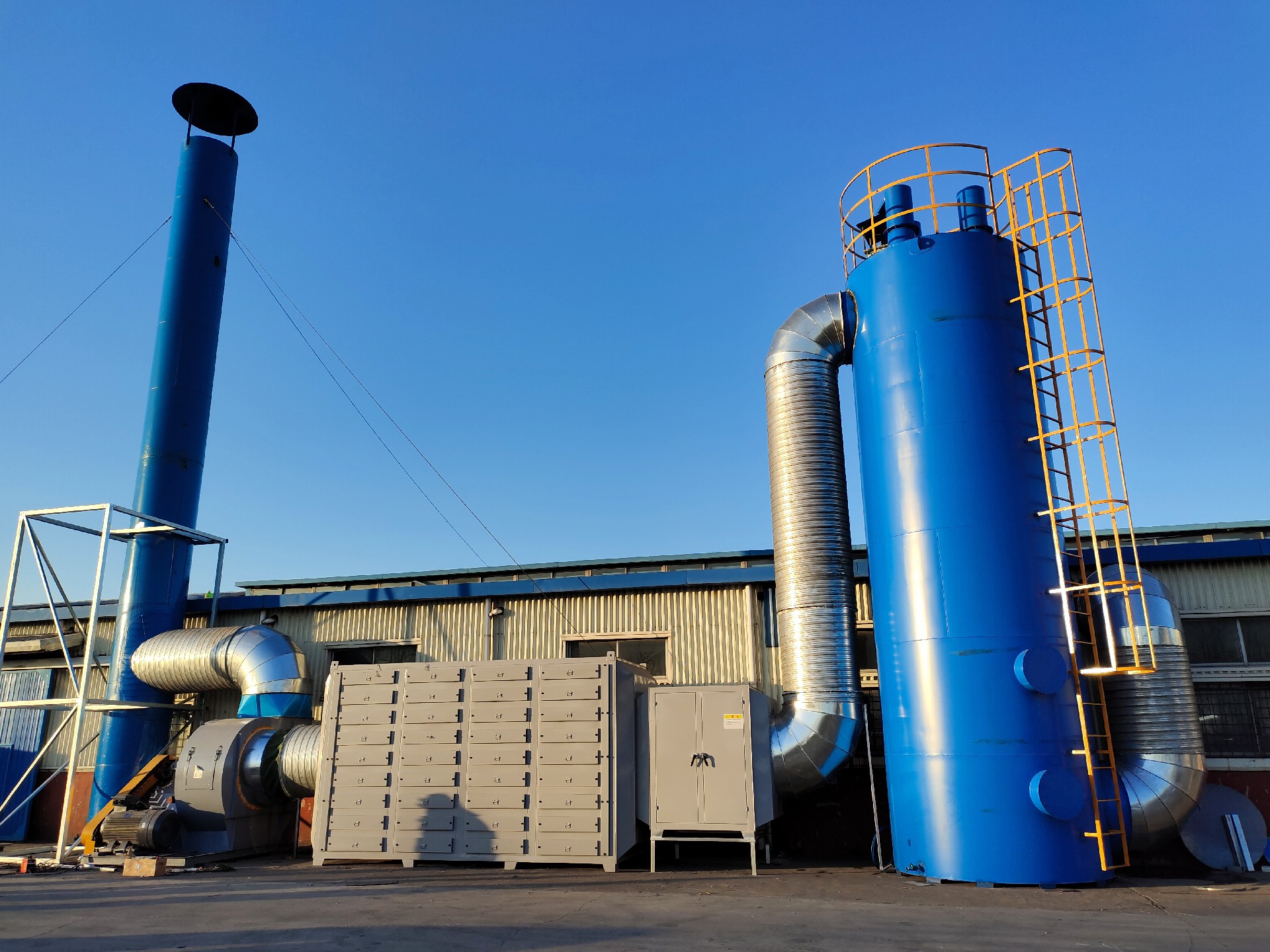
Safety Operation Procedures of Electric Tar Precipitator
Asphalt flue gas is flammable, explosive, toxic and harmful. Strict operation procedures must be followed to prevent explosion, electric shock and poisoning accidents. The regulations include preparation, startup, operation monitoring, shutdown and maintenance safety.
1. Pre-start Preparation
Environment and Equipment Inspection
Clean sundries around the equipment to ensure unobstructed passage. Check the integrity of explosion relief devices and normal pressure of the nitrogen protection system. Ensure tight sealing of flanges and manholes. Confirm smooth tar discharge pipelines and normal liquid level of the collection tank.
Electrical and Instrument Inspection
Check the insulation of high-voltage power system with grounding resistance ≤4Ω. Ensure normal display and calibration of temperature, pressure, oxygen content and electric parameters. Confirm undeformed electrodes and clean insulating porcelain bottles. Electric heaters for porcelain bottles shall work normally to prevent condensation leakage.
Medium Pretreatment Inspection
Front-end dust removal equipment shall operate to remove large particles. The flue gas temperature shall be controlled within 80~150℃. The oxygen content must be ≤1% before startup.
Safety Interlock Test
Test interlock devices of fans and high-voltage power supply. The high voltage shall cut off automatically when the fan stops or oxygen content exceeds the limit. Emergency stop buttons must remain sensitive.
2. Startup Operation
Auxiliary System Startup
Turn on the nitrogen protection system for air replacement for no less than 30 minutes until the oxygen content is ≤1%. Start porcelain bottle heaters to 50~80℃. Adjust the fan air volume to 50%~70% of the rated value for stable gas flow.
Tar Discharge System Startup
Open discharge valves and start tar pumps to ensure smooth tar drainage.
High-voltage Power Startup
Switch on low-voltage power first, then connect the high-voltage transformer. Increase secondary voltage gradually in stages to the rated value of 30~60kV. If arcing and abnormal current occur, stop boosting and troubleshoot immediately.
Working Condition Adjustment
Adjust the fan to rated air volume and keep the flow velocity at 0.8~1.2m/s after stable operation.
3. Operation Monitoring
Real-time Parameter Monitoring
Record voltage, current, temperature, oxygen content and pressure difference every 1 to 2 hours. Excessive oxygen content (over 1.5%) shall trigger emergency power cut.
Equipment Inspection
Keep a safe distance of more than 1.5 meters during inspection. Check air tightness, porcelain bottle discharge and tar discharge flow frequently.
Abnormality Handling
Reduce voltage for slight discharge. Shut down immediately for severe discharge, abnormal noise or sudden power failure, and fill nitrogen for protection.
4. Shutdown Operation
Normal Shutdown
Gradually reduce high voltage to zero and cut off power. Keep the fan running for 10~20 minutes for internal purging. Turn off all auxiliary systems after cooling down.
Emergency Shutdown
Press the emergency button under severe abnormal conditions such as excessive oxygen content, intense discharge, leakage and fire. Replace internal gas with nitrogen and suspend restart until faults are eliminated.
5. Maintenance Safety Regulations
Shutdown Isolation
Cut off all power and hang warning signs. Install blind plates to isolate flue gas. Replace internal gas with nitrogen and test gas concentration before maintenance.
Internal Operation Requirements
Confined space operation permit is required. Operators shall wear gas masks and safety belts with external guardians. Only 12V explosion-proof lamps are allowed. Avoid electrode damage during cleaning.
Acceptance After Maintenance
Clean internal sundries and restore pipelines. Test insulation performance and conduct trial operation after passing inspection.
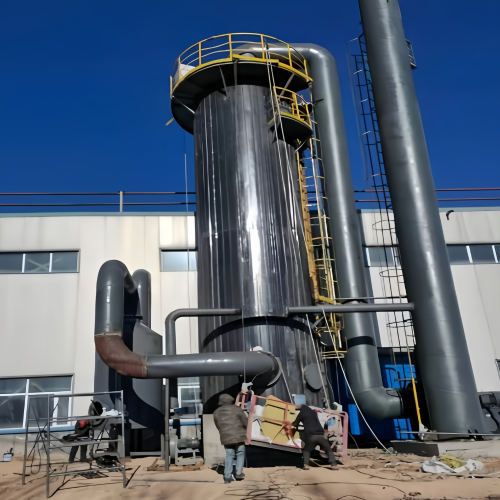
Application Advantages of Electric Tar Precipitator for Asphalt Flue Gas
The electric tar precipitator is highly targeted for asphalt flue gas with oil mist and combustible components. The specific advantages are as follows:
Efficient and stable purification: The capture efficiency of asphalt droplets reaches 95%-99%. The water film desorption method avoids adhesion and blockage, maintaining long-term stable efficiency.
Recycling of asphalt resources: The recycled tar purity is over 90% and can be reused in production, bringing considerable economic benefits.
Low operation cost and long service life: No consumable filter materials. Corrosion-resistant electrodes extend the service life to 10-15 years with low annual maintenance cost.
Excellent safety performance: No open flame or friction spark. Explosion-proof design effectively prevents combustion and explosion risks, safer than catalytic combustion equipment.
Strong working condition adaptability: The processing capacity ranges from 5,000 to 100,000 m³/h. It adapts to wide temperature and concentration fluctuation with simple pretreatment.
No secondary pollution: Only recyclable asphalt and a small amount of oily wastewater are generated. The emission indexes meet GB 37822-2019 and other strict environmental standards.